This is default featured slide 1 title

Go to Blogger edit html and find these sentences.Now replace these sentences with your own descriptions.This theme is Bloggerized by Lasantha Bandara - Premiumbloggertemplates.com.

This is default featured slide 2 title

Go to Blogger edit html and find these sentences.Now replace these sentences with your own descriptions.This theme is Bloggerized by Lasantha Bandara - Premiumbloggertemplates.com.

This is default featured slide 3 title

Go to Blogger edit html and find these sentences.Now replace these sentences with your own descriptions.This theme is Bloggerized by Lasantha Bandara - Premiumbloggertemplates.com.

This is default featured slide 4 title

Go to Blogger edit html and find these sentences.Now replace these sentences with your own descriptions.This theme is Bloggerized by Lasantha Bandara - Premiumbloggertemplates.com.

This is default featured slide 5 title

Go to Blogger edit html and find these sentences.Now replace these sentences with your own descriptions.This theme is Bloggerized by Lasantha Bandara - Premiumbloggertemplates.com.

Selasa, 28 Januari 2014

Free Download , by Richard Castle

Free Download , by Richard Castle

The existence of , By Richard Castle in product checklists of analysis can be a brand-new way that offers you the good reading product. This source is additionally adequate to review by anybody. It will certainly not require you ahead with something powerful or uninteresting. You could take much better lesson to be in an excellent way. This is not kind of huge publication that includes difficult languages. This is a very easy publication that you could worry about. So, exactly how vital guide to read is.

, by Richard Castle

, by Richard Castle


, by Richard Castle


Free Download , by Richard Castle

When a brand-new decision becomes a brand-new manufacturer of much better living, why should regret of it? Something old needs to be transformed and also restored with something new, if the brand-new thing is better. As the added task that we will certainly recommend, if you have no concept to appreciate your spare time, reading can help you to waste time intelligently. Yeah, wasting time completely can be done by everybody. However, be carefully in investing the moment is very rare. So, do you wish to be one of the smart individuals?

Boredom of reviewing publication precisely is felt by some people, moreover those who are not fond of this task. Yet, it will certainly make worse of their problem. One of the manner ins which you can get is by beginning analysis. Easy and easy book can be the product and source for the novice. As this book, you can take , By Richard Castle as the motivating analysis product for both novice and also analysis enthusiasts. It will certainly realize the possibilities of loving publications expanding much more.

By seeing this page, you have actually done the appropriate gazing factor. This is your start to pick the publication , By Richard Castle that you desire. There are whole lots of referred publications to read. When you intend to obtain this , By Richard Castle as your e-book reading, you could click the link web page to download , By Richard Castle In couple of time, you have owned your referred books as all yours.

When picking this , By Richard Castle to get as well as check out, you will start it from the first web page as well as make bargain to like it a lot. Yeah, this book truly has fantastic condition of the book to review. Just how the author bring in the visitors is really smart. The web pages will certainly reveal you why the book exists for the wonderful people. They will certainly worry you to be one that is much better in undertaking the life and also enhancing the life.

, by Richard Castle

Product details

File Size: 2597 KB

Print Length: 320 pages

Publisher: Kingswell (May 2, 2017)

Publication Date: May 2, 2017

Language: English

ASIN: B01LYNHS7E

Text-to-Speech:

Enabled

P.when("jQuery", "a-popover", "ready").execute(function ($, popover) {

var $ttsPopover = $('#ttsPop');

popover.create($ttsPopover, {

"closeButton": "false",

"position": "triggerBottom",

"width": "256",

"popoverLabel": "Text-to-Speech Popover",

"closeButtonLabel": "Text-to-Speech Close Popover",

"content": '

' + "Text-to-Speech is available for the Kindle Fire HDX, Kindle Fire HD, Kindle Fire, Kindle Touch, Kindle Keyboard, Kindle (2nd generation), Kindle DX, Amazon Echo, Amazon Tap, and Echo Dot." + '
'

});

});

X-Ray:

Enabled

P.when("jQuery", "a-popover", "ready").execute(function ($, popover) {

var $xrayPopover = $('#xrayPop_312D7520425211E9BFC9A7572F920D16');

popover.create($xrayPopover, {

"closeButton": "false",

"position": "triggerBottom",

"width": "256",

"popoverLabel": "X-Ray Popover ",

"closeButtonLabel": "X-Ray Close Popover",

"content": '

' + "X-Ray is available on touch screen Kindle E-readers, Kindle Fire 2nd Generation and later, Kindle for iOS, and the latest version of Kindle for Android." + '
',

});

});

Word Wise: Enabled

Lending: Not Enabled

Screen Reader:

Supported

P.when("jQuery", "a-popover", "ready").execute(function ($, popover) {

var $screenReaderPopover = $('#screenReaderPopover');

popover.create($screenReaderPopover, {

"position": "triggerBottom",

"width": "500",

"content": '

' + "The text of this e-book can be read by popular screen readers. Descriptive text for images (known as “ALT text”) can be read using the Kindle for PC app and on Fire OS devices if the publisher has included it. If this e-book contains other types of non-text content (for example, some charts and math equations), that content will not currently be read by screen readers. Learn more" + '
',

"popoverLabel": "The text of this e-book can be read by popular screen readers. Descriptive text for images (known as “ALT text”) can be read using the Kindle for PC app if the publisher has included it. If this e-book contains other types of non-text content (for example, some charts and math equations), that content will not currently be read by screen readers.",

"closeButtonLabel": "Screen Reader Close Popover"

});

});

Enhanced Typesetting:

Enabled

P.when("jQuery", "a-popover", "ready").execute(function ($, popover) {

var $typesettingPopover = $('#typesettingPopover');

popover.create($typesettingPopover, {

"position": "triggerBottom",

"width": "256",

"content": '

' + "Enhanced typesetting improvements offer faster reading with less eye strain and beautiful page layouts, even at larger font sizes. Learn More" + '
',

"popoverLabel": "Enhanced Typesetting Popover",

"closeButtonLabel": "Enhanced Typesetting Close Popover"

});

});

Amazon Best Sellers Rank:

#276 Paid in Kindle Store (See Top 100 Paid in Kindle Store)

I wasn't sure how many stars to give this book. Two seemed few, but four seemed definitely too much, so...I must start by saying I absolutely love all of the Nikki Heat and Derrick Storm novels. I've read them all (some of them several times) and it's always been a very enjoyable and fun read. But sadly I can’t say the same for “Heat Storm”.I was very excited about this book. My expectations were pretty high, considering it was the last of both series of books, and the culmination of three stories (Nikki's, Storm's, and Castle's and Beckett’s) all in one. So it had to be great, right? Well, no.The book starts right where the 7th Nikki Heat ended. As with the other novels, I immediately got hooked and fell into the pace of the familiar dynamic of the storytelling, having at some points a hard time putting the book down. However, as I kept reading, the pace of the plot gradually escalated to a hasty, almost chaotic rhythm, and it kept rising all the way to the very end.In the previous books, the plots have always tended to reflect and incorporate certain details and moments occurred in the different seasons of the show, something that I’ve always appreciated. So I didn’t expect any less from this book. The eighth surely wasn’t the best season of the series, but I still wanted to see more of it in the book, secretly hoping too perhaps see some of the things we should have seen in the show. But that doesn’t happen at all in “Heat Storm”. On the contrary. All of the story focuses so much on Derrick Storm and Nikki Heat that every other character we’ve come to know and love over the years was basically kick to the curb. In the rapid succession of events, we barely get a glimpse of Richard Castle’s alter ego, our beloved Jameson Rook. Someone who’s been a solid, strong and valuable character in the previous books, someone who should be by Nikki’s side whether she wants it or not, whether it’s safe for him or not, makes so few appearances that it's almost like he's been erased from the story line entirely.The fast-forward feeling also translates into the actual narrative of the book, where carelessness and rashness resulted in a few discrepancies regarding general, descriptive aspects, but also Nikki’s character. Details of her life mentioned in the previous books don’t correspond to facts mentioned in “Heat Storm”. Some even contradict themselves. It is a clear hint that it wasn’t written by the same ghost writer.I knew from the previous books (both Heat and Storm series), that “Richard Castle” has had the tendency of wrapping up the ending pretty fast, the solving of the case happening in the blink of an eye. But the conclusion in this book actually succeeded in breaking the speed of light barrier. As I turned to the last page, I actually felt like I had missed an entire chapter. (Even the “acknowledgments” section is missing.) The only thing that the ending delivered me was a deep sense of deceit. I had kept on hoping, up until the very last chapter of the book, that we would still get the proper closure that we didn't get in the show's finale, the one the fans deserved, the one that the characters deserved. Considering the show's finale was so promptly and poorly-delivered, this book could have been a very nice way for redemption, a second chance like any other to make up for the hastily wrapped-up conclusion of the show, a unique opportunity to give the fans what they really deserved after so many years of loyalty. But basically, while reading the last couple of pages, all I felt was disappointment, even a bit cheated. All I got was the same bitter aching feeling I had when watching the last minute of the show, maybe even stronger.I can conclude by saying that even though the book may have had enough action, it lacked depth in every aspect. One of the things that bugs me the most is that the book could have been SO MUCH MORE. It is a pity it ended like this. But, in a way, I could have seen it coming. It is actually the only similarity between the finale of the show and the one in the book, an improper and empty ending for an otherwise rich and wonderful series.

I enjoyed the first six books in the series, but the last 2 books including this one are pale imitations of the six that preceded them. Like the last season of the series, the writing was disappointing and the main characters were not true to form. Items noted from previous books were ignored. It was full of inconsistencies and clearly not written by the same ghost writer. The main characters; Nikki and Rook, where separated for most of the book, Roach was no where to be seen and the conclusion was extremely unsatisfactory. I'm guessing they may be planning more books but based on this one and 'High Heat,' don't bother because I won't be reading them.

After reading High Heat, I had low expectations for this book, but purchased it anyway since I had invested in reading all the rest of the series. Heat Storm continues heading in the wrong direction with sophomoric writing, inconsistent character 'development' and swiss cheese-like story lines. Heat and Rook are dumbed-down versions of their previous selves. Their marriage is almost completely disregarded, and their crime-solving partnership is pretty much nonexistent. It definitely seems as though the new-ish ghost writer has very little concept of all the books preceding this one. Save yourself some time, save your money and pass on this one.

I keep reading Castle's books because I loved the TV show. It would be a lovely way to remember characters that I liked - it's the way of people who get used to people that are not, well, real. It happens with shows, books... But this book was not what I expected. Not better, but worse. I didn't buy the basic premise of Heat's mother resurrection, for starters. It changed the whole structure in which the series/books were supported. Of course things can change, that's life even for fiction characters. But changing the past requires a little bit more of coherence. I also didn't like the idea of Heat leaving Rook, which replicates the awful last season of Castle. The other aspect of this book I didn't like was the mix between Castle's characters from different series, Heat and Storm. Not only I didn't think it worked but the ending seemed too far-fetched. I'm not gonna talk about it because it could be a spoiler. So I'll wait the next book (if it comes) to decide if I'll keep reading Heat's stories. If it repeats this structure, I'm out.

Don't get me wrong, I have enjoyed the previous 8 Nikki Heat books and was looking forward to seeing Nikki and Derrick Storm teamed up. But the characters have very little interaction as one chapter is Nikki, the next chapter is Derrick then back to Nikki and so on and so on. Just really felt like I was reading two short stories. I also think there was a change in ghost writers as it was more Derrick Storm style and not Nikki. Plus little from Rook which was a disappointment.

If I could give it 2 1/2 stars, that would be my evaluation. I was obsessed with Castle so I have all the DVDs ( bought season 8 to complete the series) and books. I agree that the last season and book were not up to par with the series. Greatly disappointed with it so I must say I was glad when the goons who were killed were named Alexi Hawley and Terence Paul Winter since they were the showrunners who sank the show. I guess the ghost writer felt the same as all of us and avenged "Castle's" death. It followed along some of the episodes and arc of season 8 not much originality involved.

, by Richard Castle PDF
, by Richard Castle EPub
, by Richard Castle Doc
, by Richard Castle iBooks
, by Richard Castle rtf
, by Richard Castle Mobipocket
, by Richard Castle Kindle

, by Richard Castle PDF

, by Richard Castle PDF

, by Richard Castle PDF

Senin, 06 Januari 2014

Free Ebook , by Maggie Stiefvater Tessa Gratton

Free Ebook , by Maggie Stiefvater Tessa Gratton

Why must get ready for some days to obtain or receive guide , By Maggie Stiefvater Tessa Gratton that you buy? Why should you take it if you can get , By Maggie Stiefvater Tessa Gratton the faster one? You can locate the same book that you buy here. This is it guide , By Maggie Stiefvater Tessa Gratton that you could get straight after buying. This , By Maggie Stiefvater Tessa Gratton is well known book on the planet, naturally lots of people will certainly attempt to possess it. Why do not you end up being the initial? Still puzzled with the method?

, by Maggie Stiefvater Tessa Gratton

, by Maggie Stiefvater Tessa Gratton


, by Maggie Stiefvater Tessa Gratton


Free Ebook , by Maggie Stiefvater Tessa Gratton

Happy vacation! In this vacation, what will you do to satisfy the leisure time? Have you go for some outings and trips? Well, have you had some publications to review to accompany you when having trips? Many people believe that there is no need to bring such book while having getaways. Yet, several likewise constantly think that reading publications become a good friend in any kind of circumstance. So, we will always try to offer , By Maggie Stiefvater Tessa Gratton as one of analysis products to sustain as well as accompany you in any type of situations.

As one of the books that have actually been created, , By Maggie Stiefvater Tessa Gratton will certainly be just various with the previous publication version. It features the straightforward words that can be reviewed by all aspects. When you have to recognize even more regarding the author, you can check out the bibliography of the author. It will assist you to make sure regarding this book that you will get as not only reference yet also as checking out resource.

When some individuals believe that this is a tough book to read, we will tell you that it becomes one of the smarter suggestions to find with something various. The different things of the , By Maggie Stiefvater Tessa Gratton with other publications are lasting on the way just how the writer improvise and also select the subject typically and also interestingly. It will be timeless and unlimited making all individuals feel embellished and impressed of this publication.

In providing the info, we likewise reveal other book collections. We understand that nowadays lots of people love reviewing a lot. So, finding numerous guides here in this online book is really easy. Searching and browsing can be done wherever you are. It is the means you utilize the contemporary innovation as internet link to connect to this site. From this case, we're actually sure that everybody requirements are covered in some books, the specific publications based upon the topics and also needs. As the , By Maggie Stiefvater Tessa Gratton that is currently preventative.

, by Maggie Stiefvater Tessa Gratton

Product details

File Size: 4297 KB

Print Length: 308 pages

Publisher: Carolrhoda Lab ® (August 1, 2013)

Publication Date: August 1, 2013

Sold by: Amazon Digital Services LLC

Language: English

ASIN: B008TW1FSM

Text-to-Speech:

Enabled

P.when("jQuery", "a-popover", "ready").execute(function ($, popover) {

var $ttsPopover = $('#ttsPop');

popover.create($ttsPopover, {

"closeButton": "false",

"position": "triggerBottom",

"width": "256",

"popoverLabel": "Text-to-Speech Popover",

"closeButtonLabel": "Text-to-Speech Close Popover",

"content": '

' + "Text-to-Speech is available for the Kindle Fire HDX, Kindle Fire HD, Kindle Fire, Kindle Touch, Kindle Keyboard, Kindle (2nd generation), Kindle DX, Amazon Echo, Amazon Tap, and Echo Dot." + '
'

});

});

X-Ray:

Not Enabled

P.when("jQuery", "a-popover", "ready").execute(function ($, popover) {

var $xrayPopover = $('#xrayPop_C8016CC0509611E98B26BE5AAA338BFB');

popover.create($xrayPopover, {

"closeButton": "false",

"position": "triggerBottom",

"width": "256",

"popoverLabel": "X-Ray Popover ",

"closeButtonLabel": "X-Ray Close Popover",

"content": '

' + "X-Ray is not available for this item" + '
',

});

});

Word Wise: Enabled

Lending: Not Enabled

Screen Reader:

Supported

P.when("jQuery", "a-popover", "ready").execute(function ($, popover) {

var $screenReaderPopover = $('#screenReaderPopover');

popover.create($screenReaderPopover, {

"position": "triggerBottom",

"width": "500",

"content": '

' + "The text of this e-book can be read by popular screen readers. Descriptive text for images (known as “ALT text”) can be read using the Kindle for PC app and on Fire OS devices if the publisher has included it. If this e-book contains other types of non-text content (for example, some charts and math equations), that content will not currently be read by screen readers. Learn more" + '
',

"popoverLabel": "The text of this e-book can be read by popular screen readers. Descriptive text for images (known as “ALT text”) can be read using the Kindle for PC app if the publisher has included it. If this e-book contains other types of non-text content (for example, some charts and math equations), that content will not currently be read by screen readers.",

"closeButtonLabel": "Screen Reader Close Popover"

});

});

Enhanced Typesetting:

Enabled

P.when("jQuery", "a-popover", "ready").execute(function ($, popover) {

var $typesettingPopover = $('#typesettingPopover');

popover.create($typesettingPopover, {

"position": "triggerBottom",

"width": "256",

"content": '

' + "Enhanced typesetting improvements offer faster reading with less eye strain and beautiful page layouts, even at larger font sizes. Learn More" + '
',

"popoverLabel": "Enhanced Typesetting Popover",

"closeButtonLabel": "Enhanced Typesetting Close Popover"

});

});

Amazon Best Sellers Rank:

#519,408 Paid in Kindle Store (See Top 100 Paid in Kindle Store)

Have you ever been forced to watch a movie for the first time, with the commentary track on? I was (not at gun point), it was hell on earth. Well, reading this book felt exactly like that. Every couple of pages you get an unwelcome commentary, interrupting the story, from one of the three authors. Something like "I thought this was brilliant because it makes the character look like something or other." Then there's the editing, there was none (really), so it gets...Confusing? No. Confusing is too nice of a word. One characters is talking and then another does, unfortunatelly for the reader, he never noticed when one dialogue ended and the other one started. It is that bad. I laughed out loud when I read that the editor of one of the authors told them that this mess (that some one had the audacity to call a finished book) didn't need editing. Maybe it was a joke that went too far.Now, I don't mean to troll these ladies. I bought the book because I read stuff by some of them, that I like. Still I just can't get past from the unwanted, annoying and intrusive commentaries and bad editing.That being said, let's get to the stories, since this is an anthology of "Curiosities". While I liked maybe 10% of the stories presented in this book, I have to say that most of them ended when they where getting interesting, leaving the rest to "your imagination". Something similar to what would happen if George R.R. Martin stopped writing Game of Thrones all together... bad pun, but you get what I mean.By now, and if you got this far on my review, you already know, I don't recommend this book.

The Curiosities is a group of short stories from Maggie Stiefvater, Tessa Gratton and Brenna Yovanoff, who are critique partners. These stories were originally posted on their website The Merry Sisters of Fate. I have to admit I never read the stories posted online. I can’t stand reading on my computer, it makes my eyes hurt and I always find myself getting distracted (the internets a big place). So I was very excited to read these stories in print form especially since Maggie is one of my favorite authors.The best part about this collection wasn’t the stories themselves it was the doodles, notes in the margins, and introductions to the stories that each of the authors made. It gave insight in to their writing styles, how they evolved as writers, and tips and tricks for improving your own story. It also gives you an idea of how their critique partnership works and has evolved.My favorite Maggie story is a toss up between “The Last Day of Spring” and “Another Sun”. The two stories were very different but both had a bittersweet feel to them and I loved them both in completely different ways.My favorite Brenna story is “The Vampire Box”. It was the first story in the anthology and it got me interested in Brenna’s other works. It is about a vampire who lives in the basement of a girl’s house. Originally, I was a bit worried about the Brenna stories. I read The Replacement and while it was well written it wasn’t my thing. I should not have been worried though, many of my favorite stories in this collection were written by Brenna!My favorite Tessa story is “Date With A Dragon Slayer”. It is about a girl who wins a date with a dragon slayer and the strange conversation they have the night before he goes out to slay the beast. I loved the open ending and would have liked to read even more from this world.Overall, there were some stories I absolutely loved and others I didn’t care for. I am glad I read this collection of stories though. It gave valuable insight in to each authors writing process and the drawings in the margins were a fun touch. I also enjoyed the banter between Maggie, Brenna and Tessa.

Nothing in this collection is a disappointment! All three authors have a great sense of humor and a respectable manor of giving advice.I promise you, you do not need to have read books by these authors in order to enjoy their collections. I happened to have been obsessed with Maggie's writings and I think at the time I'd only read one of Brenna's novels but either way when I stumbled across these collections I was hesitant because it is not the type of book I'd usually buy. In the end I have ZERO regrets for this is a lovely handful of a mixture of reads.Includes:-Serious Topics-Humorous Topics-Creepy Topics-Suspenseful Topics-Fantasy Topics-Realistic Fiction TopicsThe authors also take turns writing so it has a refreshing atmosphere to each story.

This maybe one of the best surprises I have ever come across. I purchased it based off of a single review and the name of the Goddess Stiefvater, but what i got was soooooo much more. Both Gratton and Yovanoff have equal celestial power over the divine written word. Each of these short stories harnessed everything that I look for in literature, but rarely find in even full length novels. In just a few short pages each authoress delivers, with maybe only one or two fumbles (though they are minor fumbles). If i had to pick one that stuck with me, it'd be Date with a Dragon Slayer, however, so many of them were equally as good, its truly hard to recommend one over the others. The personal touches of the three lady fates is also another lovely surprise.

Maggie Stiefvater, Tessa Grafton and Brenna Yovanoff (Merry sisters of fate) have been trading ideas and storylines online, a form of writing practice, in way tennis players have practice matches to develop their strokes and techniques. The ladies have now put some of those tales into a book. We get fine examples of each writers craft plus a bonus, an introduction by one of the other writers explaining the source of the inspiration and some writer's own notes (which are usually removed before publication).

Our budding author granddaughter LOVES LOVES this book! Was on her list and she shares her excitement about the stories and the learning she receives from this collection with us. For serious writers, a great investment.

Good stories well written, many of which are pretty dark; fairy tales, in a way, that are twisted.

, by Maggie Stiefvater Tessa Gratton PDF
, by Maggie Stiefvater Tessa Gratton EPub
, by Maggie Stiefvater Tessa Gratton Doc
, by Maggie Stiefvater Tessa Gratton iBooks
, by Maggie Stiefvater Tessa Gratton rtf
, by Maggie Stiefvater Tessa Gratton Mobipocket
, by Maggie Stiefvater Tessa Gratton Kindle

, by Maggie Stiefvater Tessa Gratton PDF

, by Maggie Stiefvater Tessa Gratton PDF

, by Maggie Stiefvater Tessa Gratton PDF

Selasa, 31 Desember 2013

Download Ebook Living & Working in the Gulf States & Saudi Arabia: A Survival Handbook (Living and Working)

Download Ebook Living & Working in the Gulf States & Saudi Arabia: A Survival Handbook (Living and Working)

To earn you little fall in love to read, we will certainly offer the soft documents of Living & Working In The Gulf States & Saudi Arabia: A Survival Handbook (Living And Working) to review. Previously, you have to get it by making take care of the link of the book. This book is kind of preferred book read by many people, from around the world. When you want to do such adventures, however you still do not have adequate money, reviewed a publication and also you can seem like remaining in your real journey.

Living & Working in the Gulf States & Saudi Arabia: A Survival Handbook (Living and Working)

Living & Working in the Gulf States & Saudi Arabia: A Survival Handbook (Living and Working)


Living & Working in the Gulf States & Saudi Arabia: A Survival Handbook (Living and Working)


Download Ebook Living & Working in the Gulf States & Saudi Arabia: A Survival Handbook (Living and Working)

Are you trying to find Living & Working In The Gulf States & Saudi Arabia: A Survival Handbook (Living And Working) that ends up being a reading source swiftly? Now we invite! We offer the book that you truly need currently. This publication is precisely produced for motivating lots of people who review it. If you truly have to get the book sooner, you remain in the ideal rate. This site will not just provide guide in soft documents system directly. Yet, you can also take it straight and also rapidly without investing some days to wait for or awaiting the times you have downtime.

But here, we will not let you to lack the book. Every publication is conceptualized in soft documents design. With very same problems, individuals who run out the books in the shop will certainly choose to this website and also obtain the soft documents of guide. For instance is this Living & Working In The Gulf States & Saudi Arabia: A Survival Handbook (Living And Working) As a brand-new coming book that has excellent name in this globe, you might feel tough to obtain it as your own. Hence, we likewise give its soft file right here.

Asking why? You have seen that this site contains fantastic publications from variant releases a libraries on the planet. Obtaining a minimal edition book is also easy here. You could locate Living & Working In The Gulf States & Saudi Arabia: A Survival Handbook (Living And Working), as example to be your turn as well as your selection now. Due to the fact that, we will not conceal anything about it here. We provide you all the best from Living & Working In The Gulf States & Saudi Arabia: A Survival Handbook (Living And Working) that the author created especially for you.

Interested in this book is must. You might be other people who need the information and also news concerning the subject that have been written in this publication. The Living & Working In The Gulf States & Saudi Arabia: A Survival Handbook (Living And Working) issue about the fascinating topic related to the condition today. When you have decided to acquire this publication, you can visit the link right here. It will straight worry you to get the book as your own. As well as the soft documents is what you can give to you. Let's get the book and also read it currently.

Living & Working in the Gulf States & Saudi Arabia: A Survival Handbook (Living and Working)

Product details

Series: Living and Working

Paperback: 420 pages

Publisher: Survival Books, Ltd (August 13, 2004)

Language: English

ISBN-10: 1901130215

ISBN-13: 978-1901130218

Product Dimensions:

5.9 x 0.8 x 8.4 inches

Shipping Weight: 1.1 pounds

Average Customer Review:

4.2 out of 5 stars

5 customer reviews

Amazon Best Sellers Rank:

#3,817,616 in Books (See Top 100 in Books)

Bought this for my boyfriend who is leaving to go work in Saudi Arabia. We looked high and low for a good travel info guide for him and this one was by far the best. He is very happy with it!

Good but rather old. Still useful.

Needed cultural info on Saudi Arabia for a project at work and found lots of useful info, especially the resources in the appendices. Highly recommend!

Extremely useful advice throughout the entire book for anyone planning on living in the Gulf States. Will be my 'bible' for when I get there. Highly recommended for anyone planning on living and working in this region.

Don't remember.

Living & Working in the Gulf States & Saudi Arabia: A Survival Handbook (Living and Working) PDF
Living & Working in the Gulf States & Saudi Arabia: A Survival Handbook (Living and Working) EPub
Living & Working in the Gulf States & Saudi Arabia: A Survival Handbook (Living and Working) Doc
Living & Working in the Gulf States & Saudi Arabia: A Survival Handbook (Living and Working) iBooks
Living & Working in the Gulf States & Saudi Arabia: A Survival Handbook (Living and Working) rtf
Living & Working in the Gulf States & Saudi Arabia: A Survival Handbook (Living and Working) Mobipocket
Living & Working in the Gulf States & Saudi Arabia: A Survival Handbook (Living and Working) Kindle

Living & Working in the Gulf States & Saudi Arabia: A Survival Handbook (Living and Working) PDF

Living & Working in the Gulf States & Saudi Arabia: A Survival Handbook (Living and Working) PDF

Living & Working in the Gulf States & Saudi Arabia: A Survival Handbook (Living and Working) PDF

Minggu, 29 Desember 2013

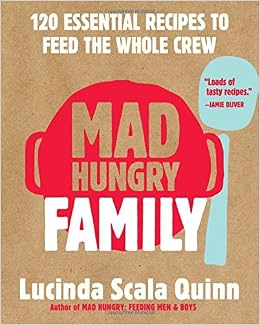
Download Mad Hungry Family: 120 Essential Recipes to Feed the Whole Crew, by Lucinda Scala Quinn

Download Mad Hungry Family: 120 Essential Recipes to Feed the Whole Crew, by Lucinda Scala Quinn

Somebody will certainly constantly have factor when offering occasionally. As here, we likewise have numerous practical benefits to take from this book. First, you can be among the hundreds individuals who read this Mad Hungry Family: 120 Essential Recipes To Feed The Whole Crew, By Lucinda Scala Quinn, from many areas. Then, you can obtain a really easy means to locate, get, and read this publication; it's presented in soft documents based upon internet system. So, you could read it in your gizmo in which it will be constantly be with you.

Mad Hungry Family: 120 Essential Recipes to Feed the Whole Crew, by Lucinda Scala Quinn

Mad Hungry Family: 120 Essential Recipes to Feed the Whole Crew, by Lucinda Scala Quinn


Mad Hungry Family: 120 Essential Recipes to Feed the Whole Crew, by Lucinda Scala Quinn


Download Mad Hungry Family: 120 Essential Recipes to Feed the Whole Crew, by Lucinda Scala Quinn

Coming to be a good person can be seen from the hobby as well as tasks to do on a daily basis. Numerous great tasks are finished. But, do you enjoy to check out guides? If you do not have any type of wish to review, it seems to be really lack of your ideal life. Checking out will certainly not just provide you a lot more knowledge yet likewise provide you the brand-new better thought as well as mind. Numerous straightforward people always review such a book everyday to spare also couple of times. It makes them really feel completed.

Besides, guide is advised because it gives you not just entertainment. You could change the fun points to be great lesson. Yeah, the writer is actually wise to convey the lessons and content of Mad Hungry Family: 120 Essential Recipes To Feed The Whole Crew, By Lucinda Scala Quinn that could bring in all visitors to admire of that book. The writer additionally offers the basic means for you to get the fun amusement. Read every word that is made use of by the author, they are truly interesting and also basic to be always recognized.

The Mad Hungry Family: 120 Essential Recipes To Feed The Whole Crew, By Lucinda Scala Quinn as one of the recommended items has been written in order to encourage the people life. It is genuine reality about just what to do and just what took place. When somebody inquires about something, you may not be so hard after getting lots of impressions as well as lessons from reading publications. Among them is this publication. Guide is recommended one to be useful book sources.

In various other website, you might really feel so challenging to locate guide, but here, it's very easy after that. Numerous sources in different kinds and also motifs are also given. Yeah, we offer the generous publications from libraries around this world. So, you could enjoy reviewing other nation publication and also as this Mad Hungry Family: 120 Essential Recipes To Feed The Whole Crew, By Lucinda Scala Quinn to be yours. It will not require complicated methods. Visit the web link that we supply as well as pick this publication. You could locate your real outstanding experience by only reviewing publication.

Mad Hungry Family: 120 Essential Recipes to Feed the Whole Crew, by Lucinda Scala Quinn

Review

“What would you give for the question ‘what’s for dinner?’ to no longer fill you with dread? Lucinda Scala Quinn has the best answers. . . . This is true comfort food, made—by unstressed you—with love.”—Redbook “Chock-full of ‘lifesaver lessons’ and quick recipes for family meals. . . . [Lucinda Scala Quinn has a] resourceful approach of turning pantry staples into delicious dishes.”—Martha Stewart Living “Practical, economical, and (above all) approachable. . . . Quinn’s Mad Hungry books are fantastic for novice cooks who like simple, everyday recipes without heavy-handed diet and lifestyle advice.”—Library Journal   "Lucinda has done it again—loads of tasty recipes to inspire families to sit down together and enjoy a good meal."—Jamie Oliver

Read more

About the Author

Lucinda Scala Quinn is the founder of Mad Hungry, the headquarters for home cooks looking for proven recipes, strategies, and inspiration. She is the author of four cookbooks, including Mad Hungry: Feeding Men & Boys, Mad Hungry Cravings, and Mad Hungry Family, and appears regularly on both morning television and QVC with her top-selling Mad Hungry kitchenware line. Scala Quinn is the former senior vice president and executive editorial director of food and entertaining at Martha Stewart Living Omnimedia and the host of her own television show, Mad Hungry: Bringing Back the Family Meal, and she cohosted Everyday Food on PBS for six years. She lives and cooks with her husband and three sons in New York City. Find her on Instagram @madhungry.

Read more

Product details

Hardcover: 272 pages

Publisher: Artisan (September 27, 2016)

Language: English

ISBN-10: 1579656641

ISBN-13: 978-1579656645

Product Dimensions:

8 x 1 x 10 inches

Shipping Weight: 2 pounds (View shipping rates and policies)

Average Customer Review:

4.4 out of 5 stars

37 customer reviews

Amazon Best Sellers Rank:

#345,695 in Books (See Top 100 in Books)

Any good cookbook can excite the taste buds and inflame the imagination, but it takes a special one to present the recipes so clearly and enticingly without making the preparation look like a big production.There are lots of mouth-watering recipes in here that have very simple, economic ingredients and prep.There are even very helpful timing suggestions and hints so that the cook(s) can enjoy the meal with their family.Love little tidbits like suggestions for variation on flavored butters. For example, although the recipe is for a grilled strip steak with herb butter using parsley, she also suggests how to use the concept to make the butter spicy, tangy, earthy, savory or sweet. Very simple, very clever, very helpful.Highly recommended.

I have Lucinda's other two Mad Hungry books and was so excited to see that she added a 3rd! I use Mad Hungry Men and Boys very often and some of the recipes have become family regulars (I'm already planning on gifting that cookbook to my children when they move out). This book has a few repeats, but as another review stated, she gives ideas on how to change or make substitutions. That is very useful to me, because it's real life. Who doesn't substitute stuff in recipes? So far I've made the Shephard's Pie and the Stuffed Lamb with Rice (yum and yum)! I've always been too intimidated to make a lamb roast, but I've made enough of her recipes (steaks, veggies, desserts, breakfast, chicken, etc) to trust her recipes. I can't recommend this trio of cookbooks enough!

I cannot say enough about any recipe from Lucinda, I miss her show I wish it was still on TV! If you have a man in your family that loves meat and potatoes with some variety thrown in they'll love whatever you make from this and the original Mad Hungry cookbooks.

I'm loving this! I have already raised a family on home cooking but I'm learning a lot from this whole series and picking up very good new recipes that are now part of my normal rotation.

I am a big fan of Lucnda Scala Qunn and I have all of her books. When I heard she had a new one coming out I preordered it right a wa and got one as a gift for my sister-in-law so we could cook together long distance. My book arrived last week and is already a new favorite! So many lovel recipes mixed in with practical advice. Spicy ginger porkchops are on the menu for tonight and other recipes bookmarked for the coming week. This book is a great mixture of inspiration and practicality. Whether you are an experienced cook or just starting out, if you have a family or any group at all asking what is for dinner you will love this book!

Loved the Feeding Men and Boys book, but this left something to be desired. Recipes were too basic for me...I don't need recipes to cook most things, but this would be good if you're a beginner. Unfortunately, I returned this. Not a slam at Lucinda - she's great! This book just wasn't for me.

I missed this one

I love cooking and am fairly good at it. This book inspired me to keep at it especially with my young kids. Lucinda articulates everything I have always loved about cooking. The additions from her sons gives a mother with young children a peek into the future. Many friends of mine aspire to like cooking or to stay in budget, I will be recommending this book to all of them.

Mad Hungry Family: 120 Essential Recipes to Feed the Whole Crew, by Lucinda Scala Quinn PDF
Mad Hungry Family: 120 Essential Recipes to Feed the Whole Crew, by Lucinda Scala Quinn EPub
Mad Hungry Family: 120 Essential Recipes to Feed the Whole Crew, by Lucinda Scala Quinn Doc
Mad Hungry Family: 120 Essential Recipes to Feed the Whole Crew, by Lucinda Scala Quinn iBooks
Mad Hungry Family: 120 Essential Recipes to Feed the Whole Crew, by Lucinda Scala Quinn rtf
Mad Hungry Family: 120 Essential Recipes to Feed the Whole Crew, by Lucinda Scala Quinn Mobipocket
Mad Hungry Family: 120 Essential Recipes to Feed the Whole Crew, by Lucinda Scala Quinn Kindle

Mad Hungry Family: 120 Essential Recipes to Feed the Whole Crew, by Lucinda Scala Quinn PDF

Mad Hungry Family: 120 Essential Recipes to Feed the Whole Crew, by Lucinda Scala Quinn PDF

Mad Hungry Family: 120 Essential Recipes to Feed the Whole Crew, by Lucinda Scala Quinn PDF

Selasa, 03 Desember 2013

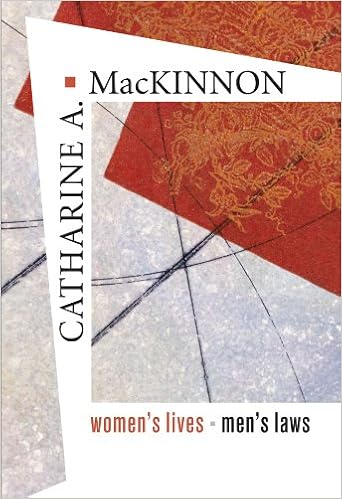
Ebook Women’s Lives, Men’s Laws

Ebook Women’s Lives, Men’s Laws

Reading practice will certainly constantly lead people not to completely satisfied reading Women’s Lives, Men’s Laws, a book, ten publication, hundreds publications, and also much more. One that will certainly make them really feel completely satisfied is finishing reviewing this e-book Women’s Lives, Men’s Laws and also obtaining the notification of the e-books, after that finding the other following book to read. It continues an increasing number of. The moment to complete reading a book Women’s Lives, Men’s Laws will certainly be always different depending upon spar time to invest; one example is this Women’s Lives, Men’s Laws

Women’s Lives, Men’s Laws

Women’s Lives, Men’s Laws


Women’s Lives, Men’s Laws


Ebook Women’s Lives, Men’s Laws

Welcome to our stunning web site. This is a website that could make everyone feel so eased. This is the one that will give all completed book collections from the authors worldwide. Finding guide from various other nations in this sit is easy, furthermore to locate guides for inside of the country. That will be so easy then.

But right here, you could get it quickly this Women’s Lives, Men’s Laws to check out. As recognized, when you check out a book, one to bear in mind is not just the title, yet also the genre of guide. You will certainly see from the title that your book selected is absolutely right. The proper book choice will affect how you check out guide completed or otherwise. Nonetheless, we are sure that everybody right here to seek for this book is a very follower of this kind of publication.

Do you understand why you need to review this website and just what the connection to reviewing publication Women’s Lives, Men’s Laws In this contemporary age, there are lots of methods to get the book and also they will be a lot easier to do. Among them is by obtaining the publication Women’s Lives, Men’s Laws by on the internet as exactly what we tell in the web link download. The e-book Women’s Lives, Men’s Laws could be a selection because it is so proper to your need now. To obtain guide online is very easy by simply downloading them. With this possibility, you can review the publication wherever and whenever you are. When taking a train, awaiting checklist, as well as waiting for someone or other, you can read this online publication Women’s Lives, Men’s Laws as a buddy once more.

After getting the file of the Women’s Lives, Men’s Laws, you have to recognize the best ways to handle your time to check out. Naturally, many individuals will certainly have various means to arrange the moment. You could utilize it in your extra time in your home, at the office, or at the evening prior to sleeping. The book file can be additionally kept as one of the presented analysis product

Women’s Lives, Men’s Laws

Review

“MacKinnon's first collection of essays since 1987, is absorbing and important... Perhaps more than anyone else, MacKinnon has changed the way we use the law in America today. The essays here on rape, abortion, prostitution and harassment law make clear how, and it's intellectually exciting stuff...Women's Lives, Men's Laws is a compelling vision of how our use of law shapes inequality and how we might rethink it.”―Jennifer Michael Hecht, New York Times Book Review“The book contains much that is impressive, both intellectually and rhetorically, and it is instructive both about the history of MacKinnon's battles and about the issues.”―Thomas Nagel, Times Literary Supplement“Women's Lives, Men's Laws contains the deepest and best feminist writing around, and there is nothing like it. MacKinnon is a figure of singular importance for the history of feminist thought and for its present. Before MacKinnon, there was no legally usable concept of sexual harassment. Now in any law library there are shelves of publications developing her ideas. Before her work, sexual advances in the workplace were not typically seen to involve an asymmetry of power (although they always did involve this, and women knew it). Now even the most conservative judge will use MacKinnon's framework of analysis in adjudicating cases. Before MacKinnon, again, issues of sexual equality were commonly dealt with by saying "equals to equals, unequals to unequals" - so if a difference could be shown between women and men, for example that only women get pregnant, not providing employees with pregnancy insurance did not constitute sex discrimination. After MacKinnon the concept of equality was understood in terms of a different antonym - subordination, second-class citizenship. Before MacKinnon, the law of obscenity focused on the alleged offensiveness of the sexy. Now even those who do not agree with her practical proposals agree that issues of violence, subordination, and abuse must be central in coming to grips with the problem of pornography. Finally, it is to a considerable extent due to MacKinnon's influence that sexual abuse of women is now regarded as a major human rights violation internationally. In short, as even critics of her views will readily agree, there is no single person who has done more to change the course of American law. She is among the century's most important thinkers, and I can think of none whose theoretical work has done more to improve human well being.”―Martha Nussbaum, author of Cultivating Humanity“The writings in MacKinnon's Women's Lives, Men's Laws continue to be excellent - fresh, concise and incisive. She has new things to say that will continue to enrapture and enlighten a large readership (and perhaps enrage others, many of whom perhaps never actually read her work).”―Frances Elisabeth Olsen, author of Feminist Legal Theory“As an activist and legal scholar, MacKinnon has been a prominent force in feminism since the mid-1970s, when she pioneered the legal claim for sexual harassment. Her latest volume brings together 29 essays that show how the juridical legal system empowers men at the expense of women...MacKinnon offers thought-provoking commentary on a wide range of subjects, including the ERA, abortion, Brown v. [Board of] Education, the history of sexual harassment law and the intersections of sexism with racial inequality and animal rights.”―Publishers Weekly“Catharine MacKinnon brings several decades worth of writing and speaking on the role of women in law together in this collection of essays. Women's Lives, Men's Laws is a fascinating look at MacKinnon's vision of what law could be if it supported, or God forbid, promoted the rights of women in the court system. In essays on myriad topics such as the equal rights amendment (ERA), color and gender, the evolution of sexual harassment laws, Brown vs. the Board of Education , and even animal rights, MacKinnon makes the same point over and over again--that the law fails women, and change is too slow and not enough... Women's Lives, Men's Laws shows how the law can give women power if they know how to use it to their advantage, and encourages women to improve the law by getting their experiences included in the making and interpreting of laws.”―Wendy Anderson, Bookslut“Histories of American law in the late twentieth century will discuss the contributions of only two or three people who made major contributions to the law as scholars, not judges. Richard Posner is one. Catharine MacKinnon is another. Women's Lives, Men's Laws, a collection of her essays, many published before but some in hard-to-locate journals, shows why...Historians will grapple with MacKinnon's role in constructing contemporary law. Today's readers will benefit enormously from grappling with her claims about what that law is and should be--even, or perhaps particularly, the claims that for the moment seem off-the-wall.”―Mark Tushnet, American Lawyer“One mark of [MacKinnon's] status as someone taken very seriously in some very serious quarters is the fact that the current collection is simply that--not a book woven together from or built on older pieces, but a handy repository for some of MacKinnon's law journal articles, anthology contributions and speeches...Women's Lives, Men's Laws offers reminders of what she thinks sexual equality would look like and how she thinks the law might come to share in the creation of such equality despite having spread its protective arms around sexual inequality for so very long.”―Elizabeth Spelman, London Review of Books“[Women's Lives, Men's Laws'] scope makes it an absorbing overview of MacKinnon's views on women's inequality...Her perspective obviously recognizes and builds on the insights of the legal realism and critical legal studies schools, but MacKinnon makes the extraordinarily bold move to develop positive theory and practice of sex equality under the law. In this I think that she joins only a handful of contemporary theorists whose work goes beyond critique and offers a genuinely new way of talking and thinking about significant problems...MacKinnon is extraordinary in her willingness to tackle big, provocative questions about the nature of law, the requirements of justice, and limitations of legal discourse...It is rare for a collection of this type to offer genuinely new intellectual insights but Women's Lives, Men's Laws does just that. It is a significant addition to legal scholarship abut equality and an important amplification of MacKinnon's vision for women's rights.”―Rose Corrigan, Law and Politics Book Review“Women's Lives, Men's Laws is a powerful collection of more than two decades of Catharine MacKinnon's feminist legal scholarship. Perhaps MacKinnon's greatest strength in this compilation--in which she discusses a range of issues, from equality theory to sexual harassment to pornography--is her methodology. She truly builds her "theory out of women's practice, comprised of the diversity of all women's experiences." Her steadfast connection to the women upon whom and for whose benefit her theory is based can be credited for the richness and persuasiveness of her arguments.”―Jennifer Denbow, Law, Culture and the Humanities

Read more

About the Author

Catharine A. MacKinnon is Elizabeth A. Long Professor of Law at the University of Michigan Law School and the James Barr Ames Visiting Professor of Law (Long-Term) at Harvard Law School.

Read more

Product details

Paperback: 576 pages

Publisher: Belknap Press: An Imprint of Harvard University Press (April 30, 2007)

Language: English

ISBN-10: 0674024060

ISBN-13: 978-0674024069

Product Dimensions:

6.2 x 1.5 x 9.2 inches

Shipping Weight: 1.6 pounds (View shipping rates and policies)

Average Customer Review:

5.0 out of 5 stars

4 customer reviews

Amazon Best Sellers Rank:

#799,920 in Books (See Top 100 in Books)

MacKinnon is a feminist icon for a reason. She writes persuasively and her logic is impeccable (I'm sure some privileged white dudes would disagree, feel threatened by this book, and give it bad reviews, but hey.) This book is moderately advanced in terms of feminist theory, but not prohibitively difficult for beginners to understand.

Incredible, very feminist and radical but very good points, if you understand the women's movement you will celebrate the ideas in this book. Is clear, easy and go very deep in some issues.

The book was described as "like new" but it was actually brand new! It was covered and everything. Great transaction!

yes, there is a war on women, and Mackinnon explains how it works,read it if you have the courage to face the truth.(many men spend a lot of time hating/trashing her on line because they cannotface their own truth)

Women’s Lives, Men’s Laws PDF
Women’s Lives, Men’s Laws EPub
Women’s Lives, Men’s Laws Doc
Women’s Lives, Men’s Laws iBooks
Women’s Lives, Men’s Laws rtf
Women’s Lives, Men’s Laws Mobipocket
Women’s Lives, Men’s Laws Kindle

Women’s Lives, Men’s Laws PDF

Women’s Lives, Men’s Laws PDF

Women’s Lives, Men’s Laws PDF

Minggu, 17 November 2013

Download Danse Macabre, by Stephen King

Download Danse Macabre, by Stephen King

We offer the book is based on the reasons that will certainly influence you to live much better. Even you have currently the analysis book; you can additionally enrich the knowledge by obtaining them create Danse Macabre, By Stephen King This is actually a kind of publication that not only offers the inspirations. The impressive lessons, Experiences, and understanding can be gained. It is why you should read this book, also web page by web page to the finish.

Danse Macabre, by Stephen King

Danse Macabre, by Stephen King


Danse Macabre, by Stephen King


Download Danse Macabre, by Stephen King

Come again, the book that is not only comes to be the device or manner but also a true close friend. What kind of close friend? When you have no buddies in the lonely when you require something accompanying you when in the evening before resting, when you feel so burnt out when waiting on the checklists, a publication can feature you as a real buddy. And among the true friends to really suggest in this site will certainly be the Danse Macabre, By Stephen King

Locate your personal page to be adapted exactly what your necessity is. But, always remember. It is a terrific publication. You could find it as one of the most suggested publication in this day. When you have located as well as got it, do not just consider the certain web page. All web pages concern with helpful and vital information. It will affect you how to obtain the most effective thing while reading.

In this case, spending even more time to read the Danse Macabre, By Stephen King page by web page can hold the ideal function of reading. This is among the means for you who truly intend to take the simple analysis as the referred activity. You can get the book to use likewise for your good friends as the book to refer. Once again, this subject of the book will certainly offer you matched lesson to the topic.

Yet, this book is truly various. Feeling concerned prevails, but except this book. Danse Macabre, By Stephen King is exactly composed for all cultures. So, it will certainly be very easy and readily available to be comprehended by all people. Now, you need just prepare little time to obtain and also download the soft documents of this book. Yeah, the book that we provide in this internet website is all in soft documents formats. So, you will not really feel challenging to bring big publication almost everywhere.

Danse Macabre, by Stephen King

About the Author

Stephen King is the author of more than sixty books, all of them worldwide bestsellers. His recent work includes The Institute, Elevation, The Outsider, Sleeping Beauties (cowritten with his son Owen King) and the Bill Hodges trilogy, End of Watch, Finders Keepers, and Mr. Mercedes (an Edgar Award winner for Best Novel and an AT&T Audience Network original television series). His novel 11/22/63 was named a top ten book of 2011 by The New York Times Book Review and won the Los Angeles Times Book Prize for Mystery/Thriller. His epic works The Dark Tower and It are the basis for major motion pictures, with It now the highest grossing horror film of all time. He is the recipient of the 2018 PEN America Literary Service Award, the 2014 National Medal of Arts, and the 2003 National Book Foundation Medal for Distinguished Contribution to American Letters. He lives in Bangor, Maine, with his wife, novelist Tabitha King.

Read more

Excerpt. © Reprinted by permission. All rights reserved.

Danse Macabre CHAPTER I October 4, 1957,and an Invitation to Dance For me, the terror—the real terror, as opposed to whatever demons and boogeys which might have been living in my own mind—began on an afternoon in October of 1957. I had just turned ten. And, as was only fitting, I was in a movie theater: the Stratford Theater in downtown Stratford, Connecticut. The movie that day was and is one of my all-time favorites, and the fact that it—rather than a Randolph Scott western or a John Wayne war movie—was playing was also only fitting. The Saturday matinee on that day when the real terror began was Earth vs. the Flying Saucers, starring Hugh Marlowe, who at the time was perhaps best known for his role as Patricia Neal’s jilted and rabidly xenophobic boyfriend in The Day the Earth Stood Still—a slightly older and altogether more rational science fiction movie. In The Day the Earth Stood Still, an alien named Klaatu (Michael Rennie in a bright white intergalactic leisure suit) lands on The Mall in Washington, D.C., in a flying saucer (which, when under power, glows like one of those plastic Jesuses they used to give out at Vacation Bible School for memorizing Bible verses). Klaatu strides down the gangway and pauses there at the foot, the focus of every horrified eye and the muzzles of several hundred Army guns. It is a moment of memorable tension, a moment that is sweet in retrospect—the sort of moment that makes people like me simple movie fans for life. Klaatu begins fooling with some sort of gadget—it looked kind of like a Weed-Eater, as I recall—and a trigger-happy soldier-boy promptly shoots him in the arm. It turns out, of course, that the gadget was a gift for the President. No death ray here; just a simple interstellar cure for cancer. That was in 1951. On that Saturday afternoon in Connecticut some six years later, the folks in the flying saucers looked and acted a good deal less friendly. Far from the noble and rather sad good looks of Michael Rennie as Klaatu, the space people in Earth vs. the Flying Saucers looked like old and extremely evil living trees, with their gnarled, shriveled bodies and their snarling old men’s faces. Rather than bringing a cure for cancer to the President like any new ambassador bringing a token of his country’s esteem, the saucer people in Earth vs. the Flying Saucers bring death rays, destruction, and, ultimately, all-out war. All of this—most particularly the destruction of Washington, D.C.—was rendered with marvelous reality by the special effects work of Ray Harryhausen, a fellow who used to go to the movies with a chum named Ray Bradbury when he was a kid. Klaatu comes to extend the hand of friendship and brotherhood. He offers the people of Earth membership in a kind of interstellar United Nations—always provided we can put our unfortunate habit of killing each other by the millions behind us. The saucerians of Earth vs. the Flying Saucers come only to conquer, the last armada of a dying planet, old and greedy, seeking not peace but plunder. The Day the Earth Stood Still is one of a select handful—the real science fiction movies. The ancient saucerians of Earth vs. the Flying Saucers are emissaries of a much more common breed of film—the horror-show. No nonsense about “It was to be a gift for your President” here; these folks simply descend upon Hugh Marlowe’s Operation Skyhook at Cape Canaveral and begin kicking ass. It is in the space between these two philosophies that the terror was seeded, I think. If there is a line of force between such neatly opposing ideas, then the terror almost certainly grew there. Because, just as the saucers were mounting their attack on Our Nation’s Capital in the movie’s final reel, everything just stopped. The screen went black. The theater was full of kids, but there was remarkably little disturbance. If you think back to the Saturday matinees of your misspent youth, you may recall that a bunch of kids at the movies has any number of ways of expressing its pique at the interruption of the film or its overdue commencement—rhythmic clapping; that great childhood tribal chant of “We-want-the-show! We-want-the-show! We-want-the-show!”; candy boxes that fly at the screen; popcorn boxes that become bugles. If some kid has had a Black Cat firecracker in his pocket since the last Fourth of July, he will take this opportunity to remove it, pass it around to his friends for their approval and admiration, and then light it and toss it over the balcony. None of these things happened on that October day. The film hadn’t broken; the projector had simply been turned off. And then the house-lights began to come up, a totally unheard-of occurrence. We sat there looking around, blinking in the light like moles. The manager walked into the middle of the stage and held his hands up—quite unnecessarily—for quiet. Six years later, in 1963, I flashed on that moment when, one Friday afternoon in November, the guy who drove us home from school told us that the President had been shot in Dallas. 2 If there is any truth or worth to the danse macabre, it is simply that novels, movies, TV and radio programs—even the comic books—dealing with horror always do their work on two levels. On top is the “gross-out” level—when Regan vomits in the priest’s face or masturbates with a crucifix in The Exorcist, or when the raw-looking, terribly inside-out monster in John Frankenheimer’s Prophecy crunches off the helicopter pilot’s head like a Tootsie-Pop. The gross-out can be done with varying degrees of artistic finesse, but it’s always there. But on another, more potent level, the work of horror really is a dance—a moving, rhythmic search. And what it’s looking for is the place where you, the viewer or the reader, live at your most primitive level. The work of horror is not interested in the civilized furniture of our lives. Such a work dances through these rooms which we have fitted out one piece at a time, each piece expressing—we hope!—our socially acceptable and pleasantly enlightened character. It is in search of another place, a room which may sometimes resemble the secret den of a Victorian gentleman, sometimes the torture chamber of the Spanish Inquisition . . . but perhaps most frequently and most successfully, the simple and brutally plain hole of a Stone Age cave-dweller. Is horror art? On this second level, the work of horror can be nothing else; it achieves the level of art simply because it is looking for something beyond art, something that predates art: it is looking for what I would call phobic pressure points. The good horror tale will dance its way to the center of your life and find the secret door to the room you believed no one but you knew of—as both Albert Camus and Billy Joel have pointed out. The Stranger makes us nervous . . . but we love to try on his face in secret. Do spiders give you the horrors? Fine. We’ll have spiders, as in Tarantula, The Incredible Shrinking Man, and Kingdom of the Spiders. What about rats? In James Herbert’s novel of the same name, you can feel them crawl all over you . . . and eat you alive. How about snakes? That shut-in feeling? Heights? Or . . . whatever there is. Because books and movies are mass media, the field of horror has often been able to do better than even these personal fears over the last thirty years. During that period (and to a lesser degree, in the seventy or so years preceding), the horror genre has often been able to find national phobic pressure points, and those books and films which have been the most successful almost always seem to play upon and express fears which exist across a wide spectrum of people. Such fears, which are often political, economic, and psychological rather than supernatural, give the best work of horror a pleasing allegorical feel—and it’s the one sort of allegory that most filmmakers seem at home with. Maybe because they know that if the shit starts getting too thick, they can always bring the monster shambling out of the darkness again. We’re going back to Stratford in 1957 before much longer, but before we do, let me suggest that one of the films of the last thirty years to find a pressure point with great accuracy was Don Siegel’s Invasion of the Body Snatchers. Further along, we’ll discuss the novel—and Jack Finney, the author, will also have a few things to say—but for now, let’s look briefly at the film. There is nothing really physically horrible in the Siegel version of Invasion of the Body Snatchers;1 no gnarled and evil star travelers here, no twisted, mutated shape under the facade of normality. The pod people are just a little different, that’s all. A little vague. A little messy. Although Finney never puts this fine a point on it in his book, he certainly suggests that the most horrible thing about “them” is that they lack even the most common and easily attainable sense of aesthetics. Never mind, Finney suggests, that these usurping aliens from outer space can’t appreciate La Traviata or Moby Dick or even a good Norman Rockwell cover on the Saturday Evening Post. That’s bad enough, but—my God!—they don’t mow their lawns or replace the pane of garage glass that got broken when the kid down the street batted a baseball through it. They don’t repaint their houses when they get flaky. The roads leading into Santa Mira, we’re told, are so full of potholes and washouts that pretty soon the salesmen who service the town—who aerate its municipal lungs with the life-giving atmosphere of capitalism, you might say—will no longer bother to come. The gross-out level is one thing, but it is on that second level of horror that we often experience that low sense of anxiety which we call “the creeps.” Over the years, Invasion of the Body Snatchers has given a lot of people the creeps, and all sorts of high-flown ideas have been imputed to Siegel’s film version. It was seen as an anti-McCarthy film until someone pointed out the fact that Don Siegel’s political views could hardly be called leftish. Then people began seeing it as a “better dead than Red” picture. Of the two ideas, I think that second one better fits the film that Siegel made, the picture that ends with Kevin McCarthy in the middle of a freeway, screaming “They’re here already! You’re next!” to cars which rush heedlessly by him. But in my heart, I don’t really believe that Siegel was wearing a political hat at all when he made the movie (and you will see later that Jack Finney has never believed it, either); I believe he was simply having fun and that the undertones . . . just happened. This doesn’t invalidate the idea that there is an allegorical element in Invasion of the Body Snatchers; it is simply to suggest that sometimes these pressure points, these terminals of fear, are so deeply buried and yet so vital that we may tap them like artesian wells—saying one thing out loud while we express something else in a whisper. The Philip Kaufman version of Finney’s novel is fun (although, to be fair, not quite as much fun as Siegel’s), but that whisper has changed into something entirely different: the subtext of Kaufman’s picture seems to satirize the whole I’m-okay-you’re-okay-so-let’s-get-in-the-hot-tub-and-massage-our-precious-consciousness movement of the egocentric seventies. Which is to suggest that, although the uneasy dreams of the mass subconscious may change from decade to decade, the pipeline into that well of dreams remains constant and vital. This is the real danse macabre, I suspect: those remarkable moments when the creator of a horror story is able to unite the conscious and subconscious mind with one potent idea. I believe it happened to a greater degree with the Siegel version of Invasion of the Body Snatchers, but of course both Siegel and Kaufman were able to proceed courtesy of Jack Finney, who sank the original well. All of which brings us back, I think, to the Stratford Theater on a warm fall afternoon in 1957. 3 We sat there in our seats like dummies, staring at the manager. He looked nervous and sallow—or perhaps that was only the footlights. We sat wondering what sort of catastrophe could have caused him to stop the movie just as it was reaching that apotheosis of all Saturday matinee shows, “the good part.” And the way his voice trembled when he spoke did not add to anyone’s sense of well-being. “I want to tell you,” he said in that trembly voice, “that the Russians have put a space satellite into orbit around the earth. They call it . . . Spootnik.” This piece of intelligence was greeted by absolute, tomblike silence. We just sat there, a theaterful of 1950s kids with crew cuts, whiffle cuts, ponytails, ducktails, crinolines, chinos, jeans with cuffs, Captain Midnight rings; kids who had just discovered Chuck Berry and Little Richard on New York’s one black rhythm and blues station, which we could get at night, wavering in and out like a powerful jive language from a distant planet. We were the kids who grew up on Captain Video and Terry and the Pirates. We were the kids who had seen Combat Casey kick the teeth out of North Korean gooks without number in the comic books. We were the kids who saw Richard Carlson catch thousands of dirty Commie spies in I Led Three Lives. We were the kids who had ponied up a quarter apiece to watch Hugh Marlowe in Earth vs. the Flying Saucers and got this piece of upsetting news as a kind of nasty bonus. I remember this very clearly: cutting through that awful dead silence came one shrill voice, whether that of a boy or a girl I do not know; a voice that was near tears but that was also full of a frightening anger: “Oh, go show the movie, you liar!” The manager did not even look toward the place from which that voice had come, and that was somehow the worst thing of all. Somehow that proved it. The Russians had beaten us into space. Somewhere over our heads, beeping triumphantly, was an electronic ball which had been launched and constructed behind the Iron Curtain. Neither Captain Midnight nor Richard Carlson (who also starred in Riders to the Stars; and oh boy, the bitter irony in that) had been able to stop it. It was up there . . . and they called it Spootnik. The manager stood there for a moment longer, looking out at us as if he wished he had something else to say but could not think what it might be. Then he walked off and pretty soon the movie started up again. 4 So here’s a question. You remember where you were when President Kennedy was assassinated. You remember where you were when you heard that RFK had taken a dive in some hotel kitchen as the result of another crazy. Maybe you even remember where you were during the Cuban missile crisis. Do you remember where you were when the Russians launched Sputnik I? Terror—what Hunter Thompson calls “fear and loathing”—often arises from a pervasive sense of disestablishment; that things are in the unmaking. If that sense of unmaking is sudden and seems personal—if it hits you around the heart—then it lodges in the memory as a complete set. Just the fact that almost everyone remembers where he/she was at the instant he/she heard the news of the Kennedy assassination is something I find almost as interesting as the fact that one nerd with a mail-order gun was able to change the entire course of world history in just fourteen seconds or so. That moment of knowledge and the three-day spasm of stunned grief which followed it is perhaps the closest any people in history has ever come to a total period of mass consciousness and mass empathy and—in retrospect—mass memory: two hundred million people in a living frieze. Love cannot achieve that sort of across-the-board hammerstrike of emotion, apparently. More’s the pity. I’m not suggesting that the news of Sputnik’s launching had anywhere near the same sort of effect on the American psyche (although it was not without effect; see, for instance, Tom Wolfe’s amusing narrative of events following the successful Russian launch in his superlative book about our space program, The Right Stuff,) but I am guessing that a great many kids—the war babies, we were called—remember the event as well as I do. We were fertile ground for the seeds of terror, we war babies; we had been raised in a strange circus atmosphere of paranoia, patriotism, and national hubris. We were told that we were the greatest nation on earth and that any Iron Curtain outlaw who tried to draw down on us in that great saloon of international politics would discover who the fastest gun in the West was (as in Pat Frank’s illuminating novel of the period, Alas, Babylon), but we were also told exactly what to keep in our fallout shelters and how long we would have to stay in there after we won the war. We had more to eat than any nation in the history of the world, but there were traces of Strontium-90 in our milk from nuclear testing. We were the children of the men and women who won what Duke Wayne used to call “the big one,” and when the dust cleared, America was on top. We had replaced England as the colossus that stood astride the world. When the folks got together again to make me and millions of kids like me, London had been bombed almost flat, the sun was setting every twelve hours or so on the British Empire, and Russia had been bled nearly white in its war against the Nazis; during the siege of Stalingrad, Russian soldiers had been reduced to dining on their dead comrades. But not a single bomb had fallen on New York, and America had the lightest casualty rate of any major power involved in the war. Further, we had a great history to draw upon (all short histories are great histories), particularly in matters of invention and innovation. Every grade-school teacher produced the same two words for the delectation of his/her students; two magic words glittering and glowing like a beautiful neon sign; two words of almost incredible power and grace; and these two words were: PIONEER SPIRIT. I and my fellow kids grew up secure in this knowledge of America’s PIONEER SPIRIT—a knowledge that could be summed up in a litany of names learned by rote in the classroom. Eli Whitney. Samuel Morse. Alexander Graham Bell. Henry Ford. Robert Goddard. Wilbur and Orville Wright. Robert Oppenheimer. These men, ladies and gentlemen, all had one great thing in common. They were all Americans simply bursting with PIONEER SPIRIT. We were and always had been, in that pungent American phrase, fastest and bestest with the mostest. And what a world stretched ahead! It was all outlined in the stories of Robert A. Heinlein, Lester Del Rey, Alfred Bester, Stanley Weinbaum, and dozens of others! These dreams came in the last of the science fiction pulp magazines, which were shrinking and dying by that October in 1957 . . . but science fiction itself had never been in better shape. Space would be more than conquered, these writers told us; it would . . . it would be . . . why, it would be PIONEERED! Silver needles piercing the void, followed by flaming rockets lowering huge ships onto alien worlds, followed by hardy colonies full of men and women (American men and women, need one add) with PIONEER SPIRIT bursting from every pore. Mars would become our backyard, the new gold rush (or possibly the new rhodium rush) might well be in the asteroid belt . . . and ultimately, of course, the stars themselves would be ours—a glorious future awaited with tourists snapping Kodak prints of the six moons of Procyon IV and a Chevrolet JetCar assembly line on Sirius III. Earth itself would be transformed into a utopia that you could see on the cover of any ’50s issue of Fantasy and Science Fiction, Amazing Stories, Galaxy, or Astounding Science Fiction. A future filled with the PIONEER SPIRIT; even better, a future filled with the AMERICAN PIONEER SPIRIT. See, for example, the cover of the original Bantam paperback edition of Ray Bradbury’s Martian Chronicles. In this artistic vision—a figment of the artist’s imagination and not of Bradbury’s; there is nothing so ethnocentric or downright silly in this classic melding of science fiction and fantasy—the landing space travelers look a great deal like gyrenes storming up the beach at Saipan or Tarawa. It’s a rocket instead of an LST in the background, true, but their jut-jawed, automatic-brandishing commander might have stepped right out of a John Wayne movie: “Come on, you suckers, do you want to live forever? Where’s your PIONEER SPIRIT?” This was the cradle of elementary political theory and technological dreamwork in which I and a great many other war babies were rocked until that day in October, when the cradle was rudely upended and all of us fell out. For me, it was the end of the sweet dream . . . and the beginning of the nightmare. The children grasped the implication of what the Russians had done as well and as quickly as anyone else—certainly as fast as the politicians who were falling all over themselves to cut the good lumber out of this nasty deadfall. The big bombers that had smashed Berlin and Hamburg in World War II were even then, in 1957, becoming obsolete. A new and ominous abbreviation had come into the working vocabulary of terror: ICBM. The ICBMS, we understood, were only the German V-rockets grown up. They would carry enormous payloads of nuclear death and destruction, and if the Russkies tried anything funny, we would simply blow them right off the face of the earth. Watch out, Moscow! Here comes a big, hot dose of the PIONEER SPIRIT for you, you turkeys! Except that somehow, incredibly, the Russians were looking pretty good in the old ICBM department themselves. After all, ICBMS were only big rockets, and the Commies certainly hadn’t lofted Sputnik I into orbit with a potato masher. And in that context, the movie began again in Stratford, with the ominous, warbling voices of the saucerians echoing everywhere: “Look to your skies . . . a warning will come from your skies . . . look to your skies . . .” 5 This book is intended to be an informal overview of where the horror genre has been over the last thirty years, and not an autobiography of yours truly. The autobiography of a father, writer, and ex–high school teacher would make dull reading indeed. I am a writer by trade, which means that the most interesting things that have happened to me have happened in my dreams. But because I am a horror novelist and also a child of my times, and because I believe that horror does not horrify unless the reader or viewer has been personally touched, you will find the autobiographical element constantly creeping in. Horror in real life is an emotion that one grapples with—as I grappled with the realization that the Russians had beaten us into space—all alone. It is a combat waged in the secret recesses of the heart. I believe that we are all ultimately alone and that any deep and lasting human contact is nothing more nor less than a necessary illusion—but at least the feelings which we think of as “positive” and “constructive” are a reaching-out, an effort to make contact and establish some sort of communication. Feelings of love and kindness, the ability to care and empathize, are all we know of the light. They are efforts to link and integrate; they are the emotions which bring us together, if not in fact then at least in a comforting illusion that makes the burden of mortality a little easier to bear. Horror, terror, fear, panic: these are the emotions which drive wedges between us, split us off from the crowd, and make us alone. It is paradoxical that feelings and emotions we associate with the “mob instinct” should do this, but crowds are lonely places to be, we’re told, a fellowship with no love in it. The melodies of the horror tale are simple and repetitive, and they are melodies of disestablishment and disintegration . . . but another paradox is that the ritual outletting of these emotions seems to bring things back to a more stable and constructive state again. Ask any psychiatrist what his patient is doing when he lies there on the couch and talks about what keeps him awake and what he sees in his dreams. What do you see when you turn out the light? the Beatles asked; their answer: I can’t tell you, but I know that it’s mine. The genre we’re talking about, whether it be in terms of books, film, or TV, is really all one: make-believe horrors. And one of the questions that frequently comes up, asked by people who have grasped the paradox (but perhaps not fully articulated it in their own minds) is: Why do you want to make up horrible things when there is so much real horror in the world? The answer seems to be that we make up horrors to help us cope with the real ones. With the endless inventiveness of humankind, we grasp the very elements which are so divisive and destructive and try to turn them into tools—to dismantle themselves. The term catharsis is as old as Greek drama, and it has been used rather too glibly by some practitioners in my field to justify what they do, but it still has its limited uses here. The dream of horror is in itself an out-letting and a lancing . . . and it may well be that the mass-media dream of horror can sometimes become a nationwide analyst’s couch. So, for the final time before we push on, October of 1957; now, absurd as it looks on the face of it, Earth vs. the Flying Saucers has become a symbolic political statement. Below its pulpy invaders-from-space storyline, it becomes a preview of the ultimate war. Those greedy, twisted old monsters piloting the saucers are really the Russians; the destruction of the Washington Monument, the Capitol dome, and the Supreme Court—all rendered with graphic, eerie believability by Harryhausen’s stop-motion effects—becomes nothing less than the destruction one would logically expect when the A-bombs finally fly. And then the end of the movie comes. The last saucer has been shot down by Hugh Marlowe’s secret weapon, an ultrasonic gun that interrupts the electromagnetic drive of the flying saucers, or some sort of similar agreeable foolishness. Loudspeakers blare from every Washington street corner, seemingly: “The present danger . . . is over. The present danger . . . is over. The present danger is over.” The camera shows us clear skies. The evil old monsters with their frozen snarls and their twisted-root faces have been vanquished. We cut to a California beach, magically deserted except for Hugh Marlowe and his new wife (who is, of course, the daughter of the Crusty Old Military Man Who Died For His Country); they are on their honeymoon. “Russ,” she asks him, “will they ever come back?” Marlowe looks sagely up at the sky, then back at his wife. “Not on such a pretty day,” he says comfortingly. “And not to such a nice world.” They run hand in hand into the surf, and the end credits roll. For a moment—just for a moment—the paradoxical trick has worked. We have taken horror in hand and used it to destroy itself, a trick akin to pulling one’s self up by one’s own bootstraps. For a little while the deeper fear—the reality of the Russian Sputnik and what it means—has been excised. It will grow back again, but that is for later. For now, the worst has been faced and it wasn’t so bad after all. There was that magic moment of reintegration and safety at the end, that same feeling that comes when the roller coaster stops at the end of its run and you get off with your best girl, both of you whole and unhurt. I believe it’s this feeling of reintegration, arising from a field specializing in death, fear, and monstrosity, that makes the danse macabre so rewarding and magical . . . that, and the boundless ability of the human imagination to create endless dreamworlds and then put them to work. It is a world which a fine poet such as Anne Sexton was able to use to “write herself sane.” From her poems expressing and delineating her descent into the maelstrom of insanity, her own ability to cope with the world eventually returned, at least for awhile . . . and perhaps others have been able to use her poems in their turn. This is not to suggest that writing must be justified on the basis of its usefulness; to simply delight the reader is enough, isn’t it? This is a world I’ve lived in of my own choosing since I was a kid, since long before the Stratford Theater and Sputnik I. I am certainly not trying to tell you that the Russians traumatized me into an interest in horror fiction, but am simply pointing out that instant when I began to sense a useful connection between the world of fantasy and that of what My Weekly Reader used to call Current Events. This book is only my ramble through that world, through all the worlds of fantasy and horror that have delighted and terrified me. It comes with very little plan or order, and if you are sometimes reminded of a hunting dog with a substandard nose casting back and forth and following any trace of interesting scent it happens to come across, that is fine with me. But it’s not a hunt. It’s a dance. And sometimes they turn off the lights in this ballroom. But we’ll dance anyway, you and I. Even in the dark. Especially in the dark. May I have the pleasure?

Read more

Product details

Paperback: 512 pages

Publisher: Gallery Books; Reprint edition (February 23, 2010)

Language: English

ISBN-10: 1439170983

ISBN-13: 978-1439170984

Product Dimensions:

5.3 x 1.5 x 8.2 inches

Shipping Weight: 14.1 ounces (View shipping rates and policies)

Average Customer Review:

4.1 out of 5 stars

130 customer reviews

Amazon Best Sellers Rank:

#68,448 in Books (See Top 100 in Books)

Stephen King was thirty-three when he wrote ‘Damse Macabre’ in 1980. At that point he had published only five major novels: ‘Carrie’ (1974), ‘Salem’s Lot’ (1975), ‘The Shining’ (1977), ‘The Stand’ (1978), and ‘The Dead Zone’ (1979). While these were the novels that cemented his early reputation, many of his most famous books would come later: ‘Firestarter’ (1980); ‘Cujo’ (1981); ‘The Running Man’ and ‘The Gunslinger’ (first book in the long-running ‘Dark Tower’ series) (1982); ‘Christine’ and ‘Pet Sematary’ (1983); ‘It’ (1986); ‘Misery’ and ‘The Tommyknockers’ (1987); ‘The Dark Half’ (1989) and so on into the 1990s and beyond. So, when SK cited his own books to illustrate concepts in Danse Macabre, he had only those first five to draw on. We can probably come up with many more—sometimes much better—examples from his later work. For instance, when SK talks about the idea of The Bad Place (haunted houses etc.) in horror fiction and film, you and I, gifted as we are with nearly forty years of hindsight. might immediately think of the Native-American burial ground in ‘Pet Sematary’ or the hellish sewer in ‘It’.‘Danse Macabre’ is very much a product of its time, but that doesn’t mean it’s not still informative and a great deal of fun to read. SK’s ideas about what makes horror “tick” are still eye-opening today; his analysis of some of the great horror novels and stories is often right on the money, and the personal anecdotes he shares along the way are nothing short of wonderful—such as in Chapter 4 when he recalls his colorful down-east character of an uncle trying to douse a new well with an applewood bough.‘Danse Macabre’ was written at a time when SK was still heavily into alcohol—at one point he casually talks about putting away fourteen beers in a single night, saying that he’d taken it “pretty easy” that night; elsewhere, he makes several matter-of-fact references to “getting pleasantly loaded…” Whether because of the booze or not, he occasionally goes off on broad, rambling tangents, which, entertaining as they can be, really seem to wander away from points that could have been made more quickly and with much greater precision. Not that there isn’t a lot of fascinating trivia and kick-ass storytelling along the detours, but I do think some of his opinions should probably be taken with a mighty grain of salt, especially when he talks about “classic” horror movies. For example, while it’s OK for a low-budget B movie from the early 1960s, I can’t see that ‘Dimentia-13’ is anywhere near as good as SK seems to remember—maybe it’s his own youthful nostalgia at play? He complains at some length about production values in the original 1942 version of Val Lewton’s ‘Cat People’ (NOT to be confused with the forgettable, exploitative re-make from 1982), but most people seeing this classic B movie for the first time probably wouldn’t notice the things that drive SK up the wall. (The original ‘Cat People’ was made during World War II, and it would have been impractical to shoot a night scene on location in a blacked-out New York City.)Also, in 1980, SK thought very little of the films of Wes Craven, based on things like ‘Last House on the Left’, ‘The Hills Have Eyes’, and ‘The People Under the Stairs’. But in his forenotes to later editions of ‘Danse Macabre’, SK, while still mostly dismissive of ‘Nightmare on Elm Street’ and, particularly, the rather dull franchise it becane, does offer some grudging respect for Craven’s ‘Scream’ movies, and he practically raves about Dennis Illiadis’ 2009 re-make of ‘Last House on the Left’.All this is to say that, if you can stay with it, ‘Danse Macabre’ is a pretty rewarding read, informative, often entertaining. and well worth the effort. SK includes two appendices in the back listing 100 horror novels, as well as all the movies cited in the text. Enough to keep any healthily curious fan busy for a long time.

Originally released in 1981, Danse Macabre is a non-fiction book in which Stephen King tells the history of horror literature through the 19th and 20th centuries, as well as present the main influences on his work. The book also brings a very interesting theory about the importance of horror stories and the role they have in “exercising” our primal and destructive urges so that we can live in society.“Why do you want to make up horrible things when there is so much real horror in the world? The answer seems to be that we make up horrors to help us cope with the real ones.”“[Horror] offers us a chance to exercise (that’s right; not exorcise but exercise) emotions which society demands we keep closely in hand. The horror film is an invitation to indulge in deviant, antisocial behavior by proxy—to commit gratuitous acts of violence, indulge our puerile dreams of power, to give in to our most craven fears. Perhaps more than anything else, the horror story or horror movie says it’s okay to join the mob, to become the total tribal being, to destroy the outsider.”“Monstrosity fascinates us because it appeals to the conservative Republican in a three-piece suit who resides within all of us. We love and need the concept of monstrosity because it is a reaffirmation of the order we all crave as human beings . . . and let me further suggest that it is not the physical or mental aberration in itself which horrifies us, but rather the lack of order which these aberrations seem to imply.”Fictional violence is often used as an escape goat for true violence, but violence on books, film, games; it exists because society is violent. Trying to hide this fantasy violence to avoid true violence is like trying to cure fever by banning thermometers. As a writer, I also like a lot the no-bullshit attitude Stephen King has towards writing and literature.To a younger reader many of the references of series from the 1950s and 1970s may be lost, but even in these cases I felt King brought an intriguing personal insight that made the reading worth my time. Danse Macabre seems less like a TED Talk about the history of horror and more like a conversation in a bar. Only a conversation with a genius three times more intelligent than you and that knows the theme thirty times better than you, and is completely in love with it.“We’re all mentally ill; those of us outside the asylums only hide it a little better.”

I've read this book a half-dozen times and have always found something new. Or, at least, a new way of looking at something. I've read many of these books, seen most of the films and TV shows. King's analysis of the horror genre is based on a deep love and admiration of said genre and it shows. If you're looking for new things to read or watch -- and some commentary on why you might enjoy it -- you can't go wrong with using this book as a guide. Enjoy the dance.

I like Stephen King. I'm a huge fan of his books and my research is in the genre, so I know quote a bit about his works. However, one of the biggest problems I have with this and his "On Writing" book is that so much time is spent on his antidotes and rambling that it takes so much time to get the meat of the piece. There is no doubt that he loves horror, but if you are looking for a good window to the genre I would consider another avenue.

Danse Macabre, by Stephen King PDF
Danse Macabre, by Stephen King EPub
Danse Macabre, by Stephen King Doc
Danse Macabre, by Stephen King iBooks
Danse Macabre, by Stephen King rtf
Danse Macabre, by Stephen King Mobipocket
Danse Macabre, by Stephen King Kindle

Danse Macabre, by Stephen King PDF

Danse Macabre, by Stephen King PDF

Danse Macabre, by Stephen King PDF